Alvin Toffler: The Author Who Saw Change Coming
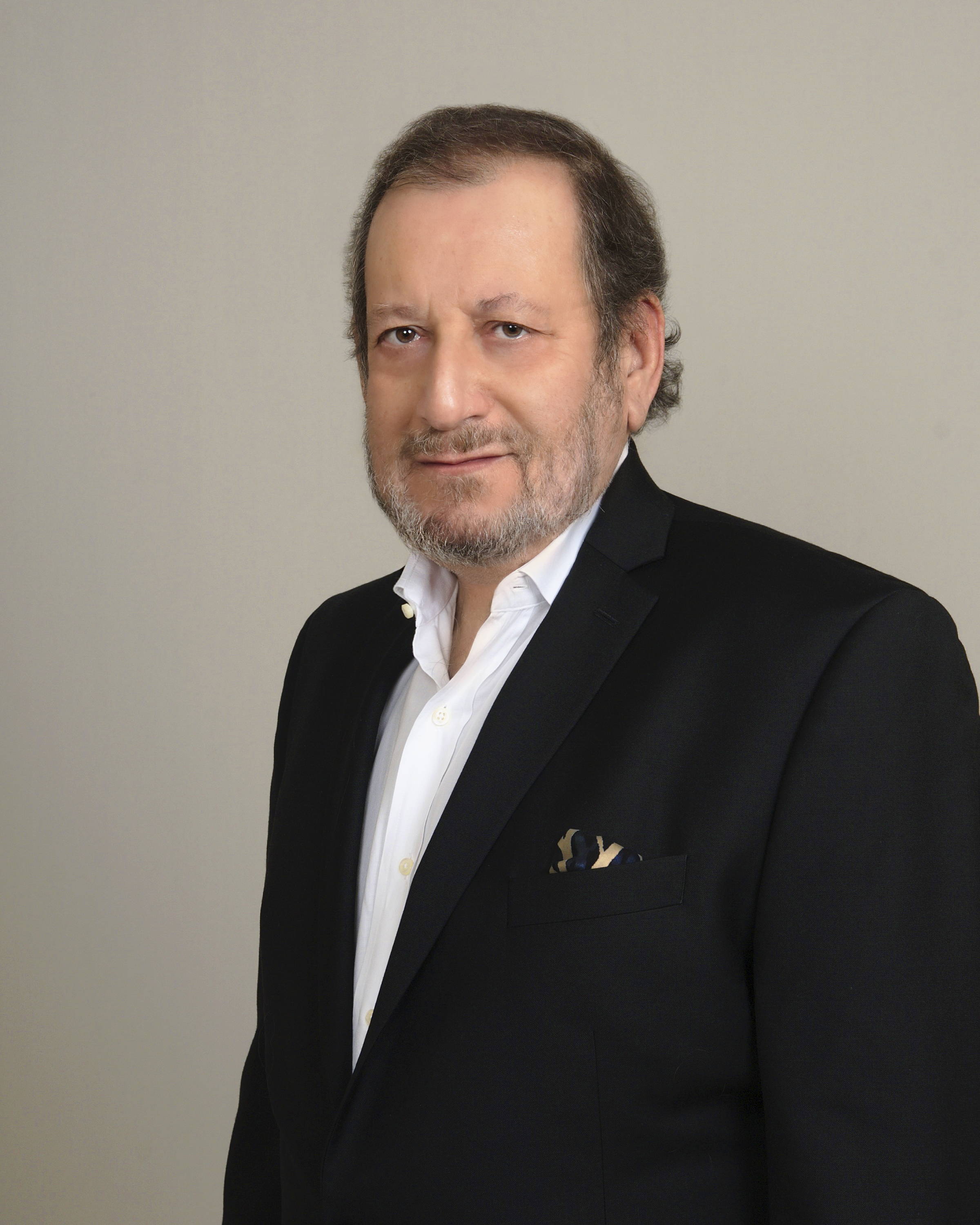

I’ve always been fascinated by people who saw something coming long before the rest of us did.
Not because they could predict the future perfectly. Nobody can.
But because they noticed the signals early enough to understand that the world was about to change.
Alvin Toffler was one of those people.
In 1970, he published Future Shock, built around a remarkably simple idea:
Too much change, happening too quickly, can overwhelm people.
More than 50 years later, that doesn’t sound particularly theoretical.
It sounds like Tuesday.
He Was Writing About More Than Technology
Toffler wasn’t simply fascinated by new machines.
He was interested in what rapid change does to people, organizations, families, careers, and society.
He saw that technology would accelerate the pace of life.
Jobs would change faster.
Industries would rise and disappear.
People would have to learn, unlearn, and relearn throughout their lives.
And the ability to adapt would become increasingly important.
That was more than half a century ago.
The Future Arrived Faster Than Expected
Today, we are watching artificial intelligence reshape how people write, create, research, teach, market, and work.
Entire professions are trying to decide which skills still matter, which ones will change, and which ones may disappear altogether.
Most of the conversation is about the technology.
But Toffler’s bigger question was always about people.
Can we adapt quickly enough to the world we are creating?
I think that may be the more important question.
The Real Advantage May Be Adaptability
Toffler believed knowledge alone would not be enough.
He understood that people would need to keep learning, changing, and rethinking what they thought they already knew.
That feels especially relevant now.
Expertise still matters.
Experience still matters.
Judgment still matters.
I would argue they matter more than ever.
But experience by itself is not enough if we refuse to adapt how we use it.
That, to me, is the part of Toffler’s work worth remembering.
He spent much of his career writing about the future, but his real subject was always us.
How do we respond when the world changes faster than we are comfortable with?
Do we resist it?
Do we complain about it?
Or do we figure out how to bring what we already know into whatever comes next?
I know which one I’m betting on.
But I’m curious how you see it.
Is the real challenge today keeping up with technology, or keeping up with the changes it forces us to make in ourselves?
I’d genuinely like to hear your perspective.


Comments